
UI/UX Design

Create Account
  1. UI/UX Designer Job Description: Roles, Skills & Duties

    UI/UX designer reviewing wireframes and app interface designs on a computer

    A well-designed digital product should be easy to understand, navigate, and use. UI/UX designers help businesses achieve this by creating digital experiences that meet user needs while supporting business goals.

    If you are hiring a UI/UX designer, understanding the role's responsibilities, required skills, and qualifications can help you find the right candidate. This guide explains what a UI/UX designer does, provides a customizable job description template, and outlines the essential skills employers should look for.

    What Is a UI/UX Designer?

    A UI/UX designer is a professional who helps plan and design digital products, including websites, mobile applications, and software interfaces.

    The role combines two related disciplines:

    • User Experience (UX) Design: Focuses on how a product works, how users navigate it, and whether they can accomplish their goals efficiently.
    • User Interface (UI) Design:
    Read more »
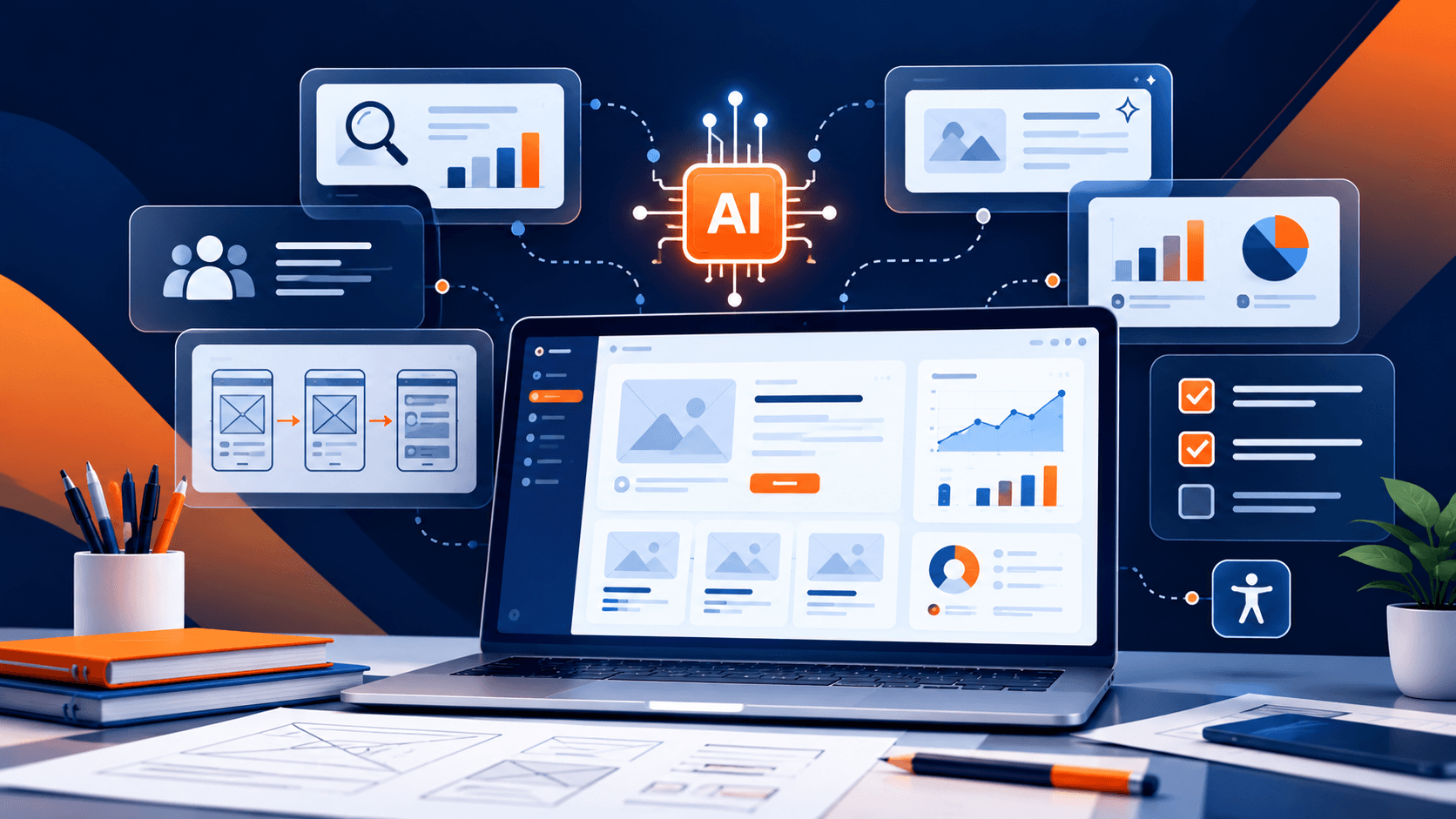
  2. Benefits of AI in UX Design: Use Cases, Tools, and Examples

    AI-assisted UX design workspace

    Artificial intelligence is changing how designers research users, develop ideas, test interfaces, and improve digital experiences. AI-powered tools can help UX professionals analyze information, explore design alternatives, and complete repetitive tasks more efficiently.

    However, AI is not a replacement for understanding users. Successful user experience design still depends on empathy, critical thinking, accessibility, and informed design decisions.

    In this guide, we'll explore the benefits of AI in UX design, practical use cases, tools designers can consider, and how AI can support the design process while keeping users at the center.

    What Is AI in UX Design?

    AI in UX design refers to using artificial intelligence technologies to support the process of researching, designing, evaluating, and improving user experiences.

    Designers can use AI to summarize user feedback, identify patterns in research data, generate interface ideas, create

    Read more »
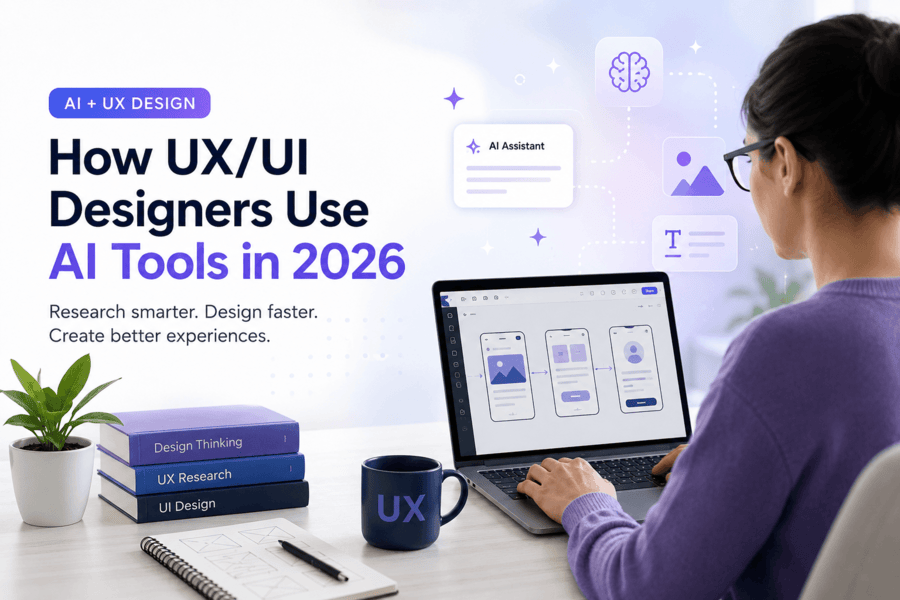
  3. How UX/UI Designers Can Use AI Tools in 2026

    How UX/UI Designers Can Use AI Tools in 2026

    How UX/UI Designers Can Use AI Tools in 2026

    UX/UI designers are using artificial intelligence to research users, create early concepts, write interface copy, and test product ideas. AI can reduce repetitive work, but it does not replace the judgment needed to create useful digital products.

    Designers still need to understand user needs, business goals, visual rules, accessibility, and product behavior. AI simply gives them new ways to complete parts of the design process.

    Taking an AI UX design course can help new and working designers use these tools with purpose. The right training should combine design basics with practical AI skills, projects, feedback, and portfolio development.

    This guide explains

    Read more »
  4. Bootcamp vs Micro-Course: Which Is Right for You?

    Bootcamp vs Micro-Course: Which Is Right for You?

    Bootcamp vs Micro-Course: Which Is Right for You?

    Choosing between a bootcamp and a micro-course can feel hard when you want better skills now. You may want a new job, a raise, or more confidence at work. You may also want to learn AI tools, data skills, design, marketing, or project management.

    The real question is not which option is better. The real question is which option fits your goal right now. A bootcamp vs micro-course decision depends on your time, budget, skill gap, and career plan.

    WorkForce Institute offers both paths. You can explore full online bootcamps through WorkForce Institute, including programs in AI, data, design, marketing, and project management. You can also start with WorkForce Institute Micro-Credentials, which are self-paced and built around focused skills.

    This guide will help you compare both options in clear terms. You will learn when a bootcamp makes sense, when micro courses are better, and how to choose your next step.

    Read more »
  5. The Importance of Micro Courses in 2026

    The Importance of Micro Courses in 2026

    The way people learn is changing. A traditional degree still has value, but it is no longer the only path to career growth. Employers want proof of skills. Workers want flexible learning. Students want training that leads to real career outcomes.

    This shift has created strong demand for micro courses.

    In 2026, more employers are focusing on skills-based hiring. Research from the National Association of Colleges and Employers found that nearly 65% of employers use skills-based hiring practices for entry-level positions. This means employers are paying closer attention to what candidates can do, not just where they studied.

    As technology changes jobs at a rapid pace, workers must learn new skills more often. This is where micro courses play an important role. They help learners gain targeted skills without spending years in school or investing thousands of dollars in a full degree program.

    For students

    Read more »
  6. AI for Project Management: Why You Need to Master AI Today

    AI for Project Management: Why You Need to Master AI Today

    The Importance of AI in Project Management

    The way we work is changing. Every day, project managers face more tasks and tighter dates. You might feel like there are not enough hours in the day. This is where AI for project management makes a big difference. It helps you work faster and smarter. You can stop doing busy work and start leading your team.

    Many people wonder if they can keep up with these new tools. The answer is yes. You just need the right skills. This blog will show you why AI matters right now. We will also show you how to gain these skills.

    Why is AI Important for Your Career?

    The market for AI in this field is growing very fast. Experts say it was worth 3.1 billion dollars in 2024. By 2033, it could reach 10 billion dollars. You can see this data in a report by IMARC Group. This means companies are spending a lot of money on these tools. They want workers who know how to use them. If you learn AI for

    Read more »
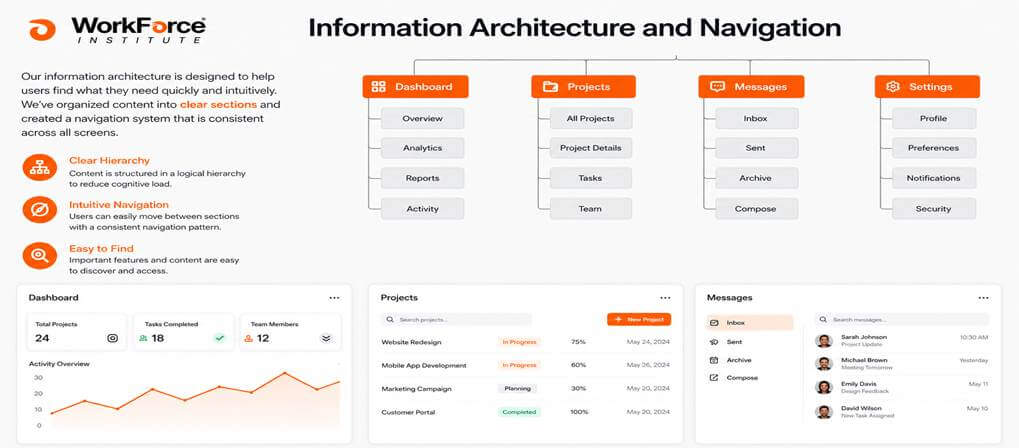
  7. Why Information Architecture & Navigation is Important

    Information Architecture and Navigation in UI/UX Design Bootcamp

    Why Information Architecture & Navigation is Important

    At WorkForce Institute, the UI/UX Design Bootcamp teaches Information Architecture and Navigation through hands-on projects. You learn to organize content, design clear menus, and build intuitive flows. These skills help users find information quickly and stay engaged. Students apply real examples, test ideas early, and improve fast. The program blends practical tools with AI, preparing you to create user-friendly apps and stand out as a developer. Information Architecture and Navigation become second nature by the end. Aspiring developers who master these concepts create products that stand out.

    Read more »
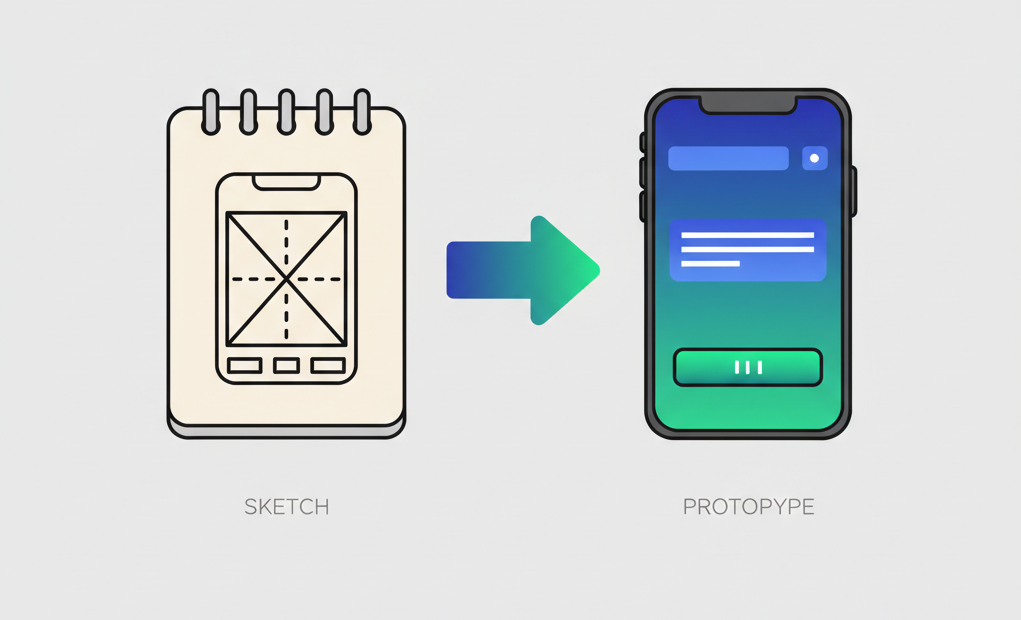
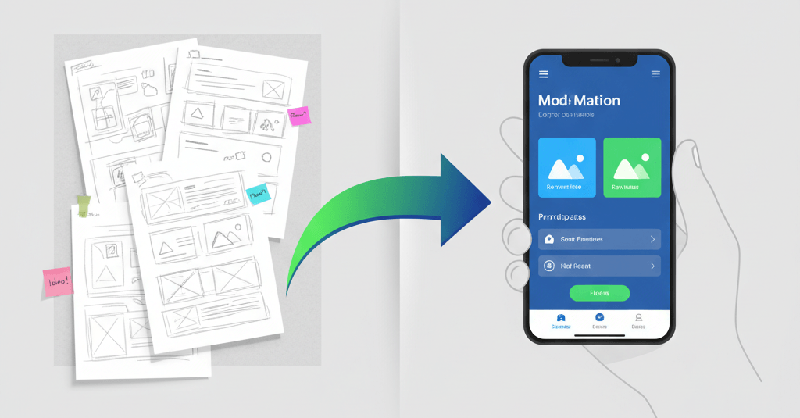
  8. Prototyping - Your Guide to Better Design

    Prototyping - Your Guide to Better Design

    Prototyping: Your Guide to Better Design

    Do you want to build apps that people enjoy? You must understand prototyping. This is a major step in the design process. It helps you test your ideas before you build the final product. Many students in the USA want to enter this field. It is a great time to start your journey. Companies need designers who can show how a product will work. This blog will teach you the basics. You will learn why this skill matters so much.

    What is Prototyping?

    Prototyping is the act of making a model of your product. It is not the real app or website. Instead, it is a draft. You use it to see if your ideas work. It lets you find mistakes early. This saves time and money for the business.

    Read more »
  9. Why a Portfolio Matters More Than a Degree in UX

    Why a Portfolio Matters More Than a Degree in UX

    Why a Portfolio Matters More Than a Degree in UX

    Breaking into UX can feel confusing. Many people think they need a costly degree first. That belief slows down smart people who already have strong

    Read more »
Page
Copyright © 2018 Magento. All rights reserved.